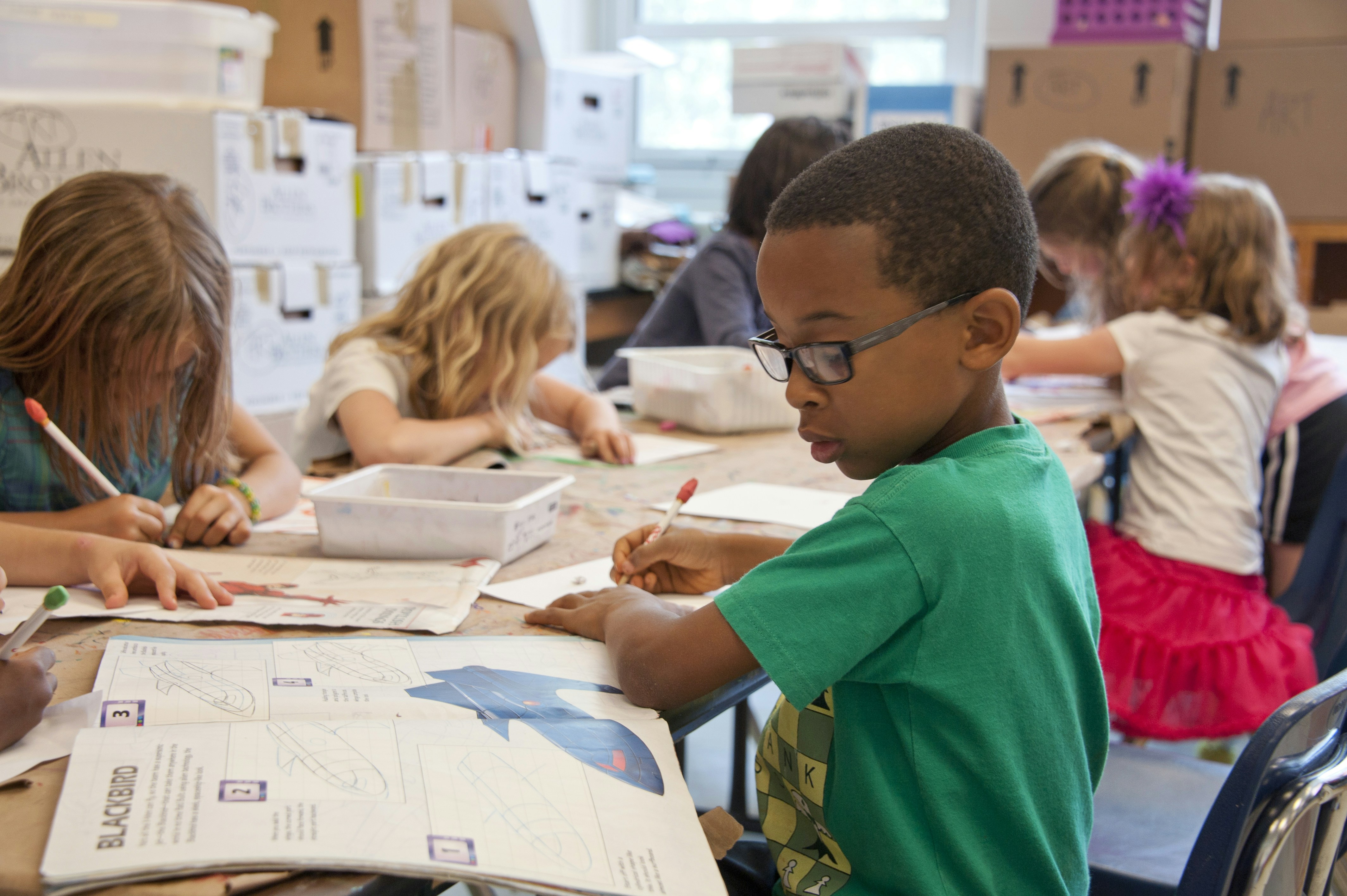
Moving into a new stage of education – whether it’s starting school, moving to secondary school, or beginning tertiary study – is a major transition for young people. These changes can be exciting, but they can also feel overwhelming, especially for students with disability.
Research shows that students with disability are more likely to leave school early or not complete secondary education. Many students with disability experience barriers that limit participation and achievement. They may also change schools more often when their needs are not met.
What is an effective transition to school?
The Australian Education Research Organisation describes an effective transition as one where a child and their family develop a sense of belonging at school.
This means students feel:
- their teacher and peers like, value and accept them
- the curriculum is interesting, appropriate and relevant
- they are capable of succeeding at school
- their cultural identity is welcome and valued and they can ‘be themselves’
For Autistic children and children with brain injury, some common challenges during education transitions include:
- Coping with change and new environments
- Building relationships with other students and teachers
- Understanding new rules and expectations at school
- Managing the impacts of the disability that may limit academic achievement, such as concentration difficulties, memory difficulties and communication difficulties
- Experiencing discrimination or unfairness
- Advocating for adjustments and support
What helps?
Successful transitions happen when schools, families and health professionals work together and take a child-centred approach. This includes:
- Share clear, consistent, accessible information throughout the transition
- Cultivate positive relationships with children
- Build on children’s strengths
- Provide responsive teaching and support
The role of parents and carers
Parents and carers play a key role in supporting transitions, especially in the early years.
Firstly, it is important to understand your child’s rights. Every student has the right to:
- Reasonable adjustments
- Safe learning environments
- Protection from bullying and unfair treatment
- Access to learning in a way that works for them
You can help your child by:
- Preparing them for routines, separation and new environments
- Supporting the development of self-care, communication and emotional regulation skills
- Reducing anxiety through social stories, visits and gradual exposure
- Practising the school routine at home
Other important steps include:
- Sharing detailed information with teachers and school staff about the child’s communication style, sensory needs, medical needs and behaviour triggers and supports. Identify a key school contact might be helpful.
- Participating in Individual Learning Plans (ILPs)
- Engaging with enrolment processes and understand school policies
- Making sure reasonable adjustments are in place
- Supporting realistic expectations for academic achievement
Using the National Assistance Card During Transitions
A National Assistance Card can support clear communication during education transitions.
You can work with your child and health professionals to identify what supports work best and share that information through the QR code on the back of the Card.
In addition to describing the impacts of your child’s disability, it can be helpful to include information such as:
- What helps your child focus
- What makes your child feel overwhelmed
- What helps when they feel overwhelmed (for example, quiet space, breaks, headphones or extra time)
- Emergency contact details
Remember that the information linked to the National Assistance Card can be updated at any time. You do not need a new card to update the information connected to the QR code. This means you can keep the information up to date as your child’s needs change.
You can also help your child practise showing the Card to teachers or school staff when they need help.
Keeping a Feedback Loop
It is important to regularly review what is working and what is not. Families and students can do this by:
- Having regular check-ins with teachers
- Noting changes in routines or new challenges
- Updating the National Assistance Card if new needs arise
- Letting your child know who to speak to if something isn’t working or they’re not feeling safe.
Helpful resources
You may find these resources useful when supporting your child through the education transitions
- Toolkit: Working together: Moving through secondary school - Department of Education, Australian Government
- Our right to learn and play (co-designed by and for young First Nations people with disability and their families)
- Take Charge of Change – a free collection of practical, accessible resources to help children and young people with disability, parents and caregivers feel more confident during major life changes, like starting school or moving into employment.
- Steps to raise concerns and resolve a complaint with your school (This resource supports parents and caregivers of students with disability to raise, escalate and resolve concerns with their school):
- How to advocate (This resource helps school and tertiary students with disability to build self-advocacy skills and provides guidance on how to raise and resolve concerns with their education provider)
Successful education transitions are about belonging, not doing everything the same way as everyone else.
While exploring study techniques and supports that work best, remember to celebrate progress. Completing an assignment, speaking up for help, or managing a difficult day are all important achievements. Every step forward counts.
With early preparation, clear communication and the right supports in place, young people with disability can navigate education transitions with confidence and success.