


When teenager Axel applied for the National Assistance Card, he chose to use the QR code in a way that was uniquely his – by linking it to a rap song he created about his experience of Autism and how he would like to be supported. This is exactly what the QR code is designed for: allowing cardholders to share information in ways that feel personal and authentic. Axel and his mum, Catherine, kindly agreed to let us share his video. Axel has also written the story below in his own words. We hope his approach inspires other people to use the QR code in ways that feel right for them. Read Axel’s story and make sure to have a listen to his song – It’s creative, fun and powerful.
My name is Axel. I am 14 years old.
As an Autistic teenager, I’ve had difficulties with communicating my support needs to others when I needed to most. But it’s not only me who has had the difficulties, most neurotypical people have difficulties recognising and understanding my Autistic traits.
In this article, I want to share my experience and how I came to use the National Assistance Card. The National Assistance Card is a card that people with a disability can use to show to other people in certain situations. This card helps neurotypical people understand my Autistic traits, my difficulties and how to best support me.
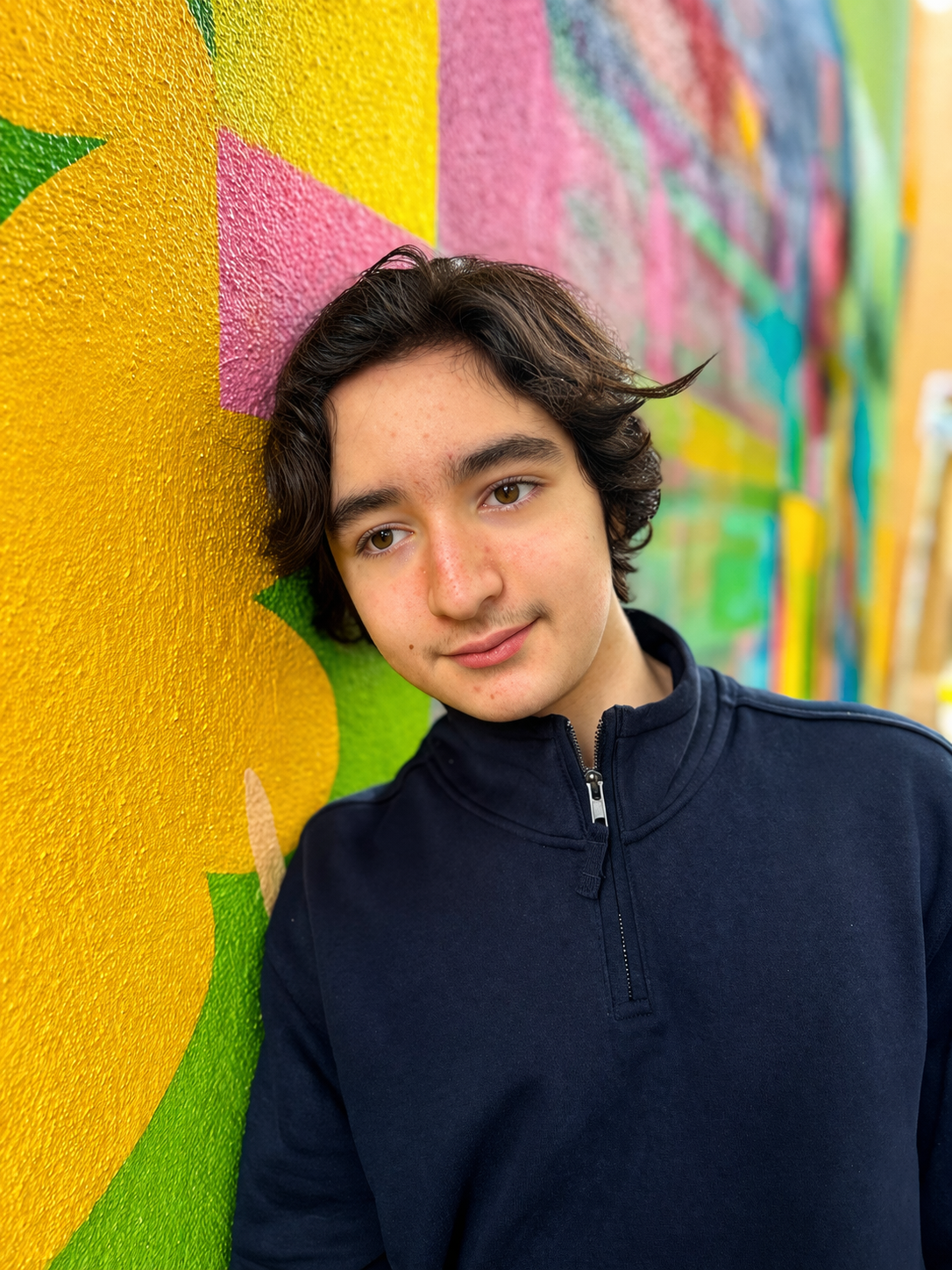
Often, whenever I talk to people my words can get stuck. I can quickly get confused and overwhelmed, which is caused by Autism. I often find it difficult to explain my Autistic traits or even tell people that I am Autistic. But now that I have the National Assistance Card, I feel more confident that neurotypical people will be able to understand about my disability when I need them to most.
I find it hardest to communicate in crowds and environments that cause me sensory and cognitive overload. My brain can’t always formulate and process my speech. I especially have difficulty answering questions because I need time to process what is being asked, work out how to respond and then try to say the words. I cannot always get the words out. I also have literal interpretation where I can take people literally if they use unclear language, metaphors and figurative speech. I also have an Auditory Processing Disorder which means I can’t filter out background noise and speech can sound muffled, or sometimes words can sound blended together instead of separate. This causes me lots of confusion and my brain shuts down and often I can’t talk or express my emotions or ask for help. This can make it hard for other people to understand me and my support needs. I realised I needed something to help me communicate because of all these problems.
When I was seven years old, my Behavioural Therapist created me communication cards. I tried using communication cards over the years but people, including my teachers, did not take this seriously because generally I can talk. However, I still have difficulty expressing my emotions, identifying and explaining my needs and then asking for help. Sometimes I cannot speak at all. A lot of people don’t understand Autism. Compared with my earlier communication cards, the National Assistance Card is formally designed and it clearly lists the support needs of people with a diagnosed disability. This helps others understand what Autism is and how they can offer support.
When I have the National Assistance Card with me, I feel safe and confident knowing I can show it to people when I need to. People will be able to understand my disability is genuine and this helps make me feel less anxious. They can then assist me and make reasonable adjustments when I’m finding it difficult to process information and communicate. The card makes it easier for me to ask for help, as I can simply show it so that people understand how to support me.
On the National Assistance Card it has a QR code that you can scan to access more information about the card holder. Information linked to the QR code can be in writing or in a form of a video. I have chosen to create and edit a video for my card using Canva. The video is a song explaining how Autism affects me and what they can do to support me. I enjoyed the creativity which allowed me to express my unique identity. I wanted my video to stand out so people can take more notice. The video is a catchy tune created by AI and the lyrics emphasise what I need people to do to support me. My video is fun and different which is a positive approach to a serious issue.
To me, the National Assistance Card is a practical and simple option for communicating my needs. It’s important that people interacting with those who are unable to communicate have access to this card as an alternative option. It brings me more confidence when dealing with people who do not understand my disability. The card is easy to use and can help in critical situations. What is most important is that the card allows you to adapt it to your own personal needs and you can be as creative as you want.